
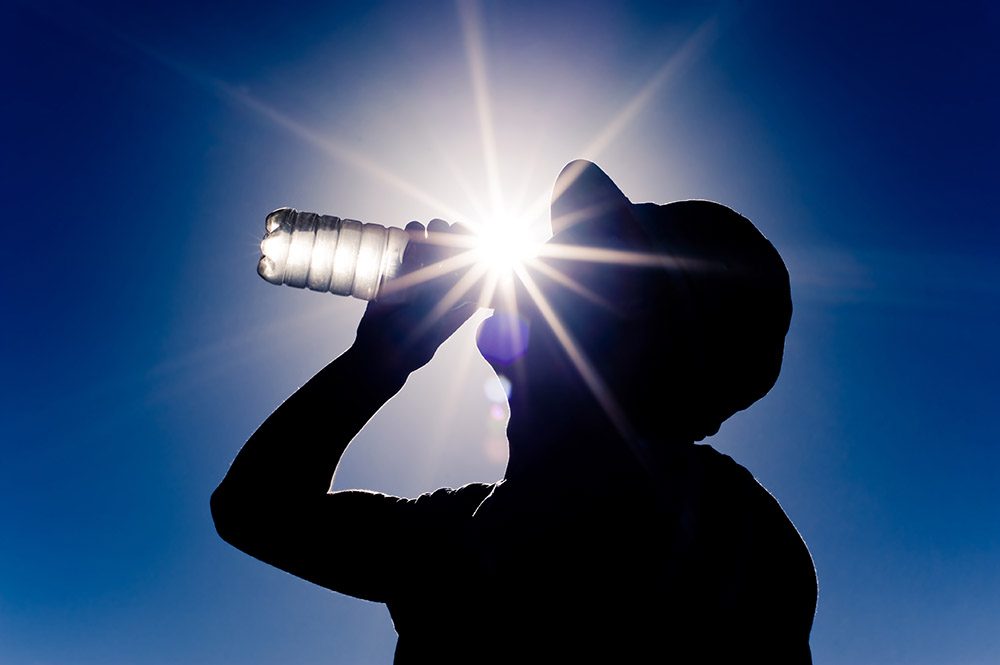
Outdoor work is at the core of what we do at ValueBrands. Whether you’re maintaining properties, servicing outdoor power equipment, loading trailers, or transporting materials, you are regularly exposed to changing weather conditions. While rain and cold weather present their own challenges, two of the most serious seasonal hazards are poor air quality and heat stress.
These hazards can develop quickly and, if ignored, may lead to serious illness, injury, or medical emergencies. Understanding how they affect the body and knowing when to take action is an essential part of working safely.
Understanding the Air Quality Health Index (AQHI)
The Air Quality Health Index (AQHI) is Canada’s system for measuring the health risk associated with outdoor air pollution. Unlike a weather forecast, the AQHI focuses specifically on how the air may affect your health.
Poor air quality is often caused by:
- Wildfire smoke
- Vehicle emissions
- Industrial pollution
- Ground-level ozone
- Fine particulate matter (PM2.5)
- Dust from construction or landscaping activities
Some pollutants are invisible, meaning the air can still pose health risks even when the sky appears clear.
AQHI Risk Levels
| AQHI | Risk Level | Recommended Action |
|---|---|---|
| 1–3 | Low | Normal outdoor activities may continue. Stay hydrated and monitor conditions. |
| 4–6 | Moderate | Consider reducing prolonged strenuous activity if symptoms develop. Increase hydration and rest breaks. |
| 7–10 | High | Reduce heavy physical work whenever practical. Supervisors should closely monitor employees. |
| 10+ | Very High | Postpone non-essential outdoor work where possible. Additional protective measures may be required. |
Health Effects of Poor Air Quality
Even healthy individuals can experience symptoms during periods of poor air quality.
Common symptoms include:
- Coughing
- Sore throat
- Burning or watery eyes
- Shortness of breath
- Wheezing
- Chest tightness
- Headaches
- Fatigue
- Reduced endurance
Employees with asthma, allergies, heart disease, or other respiratory conditions may be affected much sooner and should notify their supervisor if additional accommodations are required.
Working Safely During Poor Air Quality
When the AQHI is elevated:
- Check local air quality before beginning work.
- Take more frequent rest breaks.
- Reduce strenuous activities where possible.
- Stay hydrated throughout the day.
- Keep trailer and vehicle doors closed when practical to reduce smoke infiltration.
- Monitor coworkers for signs of respiratory distress.
Important: Disposable dust masks are not designed to protect against wildfire smoke or fine airborne particles. Only properly fitted respirators, used in accordance with company policy and training, provide meaningful protection.
Understanding Heat Stress
Heat stress occurs when the body is unable to cool itself through sweating. As your internal body temperature rises, the risk of dehydration, exhaustion, and heat-related illness increases.
Several factors can increase the likelihood of heat stress, including:
- High temperatures
- High humidity
- Direct sunlight
- Heavy physical labour
- Wearing multiple layers of clothing or PPE
- Inadequate hydration
- Lack of rest
Heat stress can develop gradually over several hours or occur rapidly during physically demanding work.
Recognizing Heat Exhaustion
Heat exhaustion is the body’s warning sign that it is struggling to regulate temperature.
Symptoms include:
- Heavy sweating
- Weakness
- Dizziness
- Muscle cramps
- Headache
- Nausea
- Cool, pale, clammy skin
- Rapid heartbeat
If you experience these symptoms:
- Stop working immediately.
- Move to a shaded or air-conditioned location.
- Drink cool water slowly.
- Loosen excess clothing.
- Notify your supervisor.
- Do not return to work until symptoms have completely resolved.
Ignoring heat exhaustion can quickly lead to heat stroke.
Heat Stroke: A Medical Emergency
Heat stroke occurs when the body’s cooling system fails completely. It is life-threatening and requires immediate medical attention.
Signs of heat stroke include:
- Confusion or unusual behaviour
- Difficulty speaking
- Loss of consciousness
- Seizures
- Hot, red skin
- Body temperature above 40°C
- Rapid pulse
If heat stroke is suspected:
- Call 911 immediately.
- Move the individual to a cool or shaded location.
- Apply cool water or wet towels to the body.
- Fan the individual if possible.
- Do not give fluids if they are unconscious or confused.
Preventing Heat Stress
Heat-related illnesses are largely preventable.
Employees should:
- Begin each workday well hydrated.
- Drink water consistently throughout the day.
- Avoid waiting until they feel thirsty.
- Wear lightweight, breathable clothing whenever appropriate.
- Apply sunscreen and wear sun protection.
- Schedule physically demanding tasks during cooler parts of the day when possible.
- Take regular breaks in shaded or cool areas.
- Watch for symptoms in themselves and their coworkers.
Supervisors should:
- Review weather forecasts and AQHI before work begins.
- Modify work schedules during extreme heat events.
- Increase the frequency of rest breaks.
- Rotate physically demanding tasks among employees.
- Ensure drinking water is readily available at all job sites.
Dehydration: An Often Overlooked Hazard
Many heat-related illnesses begin with dehydration.
Signs of dehydration include:
- Dry mouth
- Dark yellow urine
- Fatigue
- Dizziness
- Muscle cramps
- Reduced concentration
By the time you feel thirsty, your body may already be dehydrated.
Aim to drink water regularly throughout the workday, especially during hot and humid conditions.
Your Responsibility
Every employee has a responsibility to:
- Monitor changing weather conditions.
- Check the daily AQHI.
- Follow supervisor instructions.
- Report unsafe conditions immediately.
- Stop work if environmental conditions become unsafe.
- Watch for signs of heat illness or respiratory distress in coworkers.
Remember, looking after your teammates is just as important as looking after yourself.
When Work Should Be Stopped
Work should be paused immediately if:
- Air quality deteriorates to unsafe levels.
- Employees experience difficulty breathing.
- Symptoms of heat exhaustion develop.
- Heat stroke is suspected.
- Emergency services or local authorities issue evacuation orders or air quality advisories affecting the work area.
- A supervisor determines environmental conditions create an unacceptable level of risk.
Final Thoughts
Air quality and heat conditions can change rapidly throughout the day. Taking a few minutes to review the forecast, monitor the AQHI, drink water regularly, and recognize the early warning signs of heat-related illness can prevent serious injuries and medical emergencies.
At ValueBrands, safety is more than a policy, it’s a shared responsibility. Every employee has the authority and responsibility to stop work if conditions become unsafe. No deadline, property, or repair is more important than protecting your health and ensuring every member of our team returns home safely at the end of the day.
0 Comments