
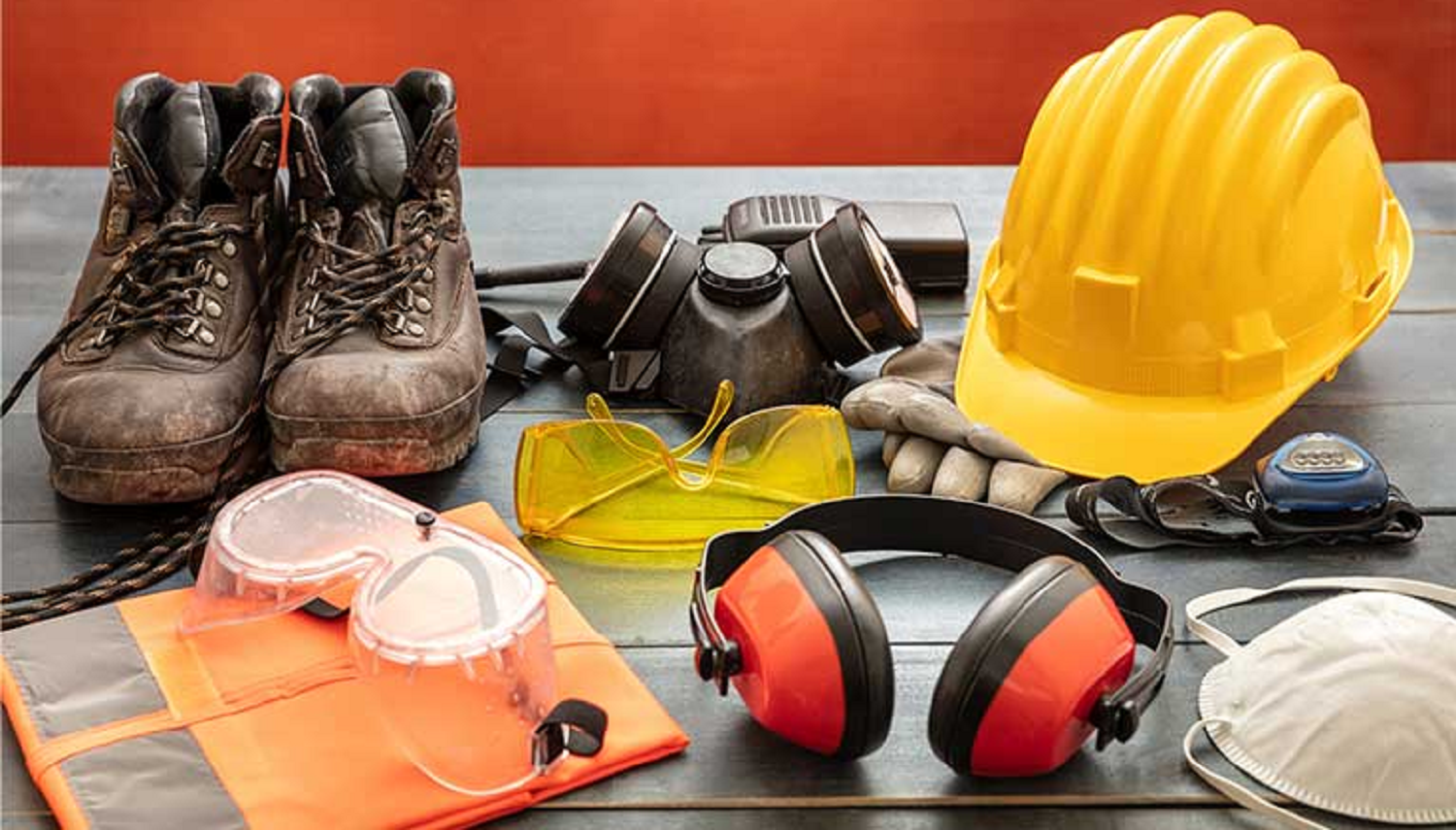
Personal Protective Equipment (PPE) is one of the most important tools employees have to reduce the risk of workplace injuries. At ValueBrands, our teams work in a variety of environments including customer properties, equipment service areas, trailers, and outdoor job sites.
While PPE does not remove hazards, it provides an important layer of protection when used correctly alongside safe work practices, proper training, and hazard awareness.
Wearing the right PPE is not optional, It is part of doing the job safely and professionally.
What Is PPE?
Personal Protective Equipment is any equipment or clothing designed to protect employees from workplace hazards.
Common examples include:
- Safety footwear
- Safety glasses
- Hearing protection
- Work gloves
- High-visibility clothing
- Protective clothing
- Hard hats when required
- Respiratory protection when required
The correct PPE depends on the task being performed and the hazards present.
Why PPE Matters
Employees may be exposed to hazards including:
- Flying debris
- Sharp objects
- Rotating equipment
- Loud machinery
- Fuel and chemicals
- Dust and airborne particles
- Uneven terrain
- Weather conditions
- Heavy materials
A few seconds of exposure can result in serious injury. Proper PPE helps reduce the severity of incidents and protects employees during unexpected situations.
Required PPE for Common Tasks
Outdoor Property Maintenance
May require:
- CSA-approved safety footwear
- Safety glasses
- Hearing protection when operating loud equipment
- Work gloves
- High-visibility clothing when working near vehicles or public areas
Examples:
- Lawn mowing
- Trimming
- Blowing
- Landscaping work
- Material handling
Small Engine Repair & Equipment Service
May require:
- Safety glasses
- Work gloves
- Safety footwear
- Protective clothing
- Hearing protection during equipment testing
Additional protection may be required when working with:
- Fuel systems
- Sharp components
- Moving parts
- Chemicals or cleaning products
Safety Footwear
Proper footwear protects against:
- Falling objects
- Slips and trips
- Sharp materials
- Uneven surfaces
Employees should wear footwear that:
- Provides proper traction
- Is in good condition
- Fits securely
- Provides appropriate protection for the task
Avoid worn-out footwear that increases the risk of slips and falls.
Eye Protection
Safety glasses protect against:
- Flying rocks
- Grass and debris
- Metal fragments
- Chemicals
- Dust
Always wear eye protection when operating equipment or performing tasks where debris or particles may become airborne.
Do not wait until something enters your eye before putting protection on.
Hearing Protection
Many outdoor power tools produce noise levels that can damage hearing over time.
Hearing protection may be required when operating:
- Mowers
- Blowers
- Trimmers
- Grinders
- Other loud equipment
Types of hearing protection include:
- Ear plugs
- Ear muffs
Hearing damage is permanent and often occurs gradually.
Gloves & Hand Protection
The correct gloves help protect against:
- Cuts
- Abrasions
- Chemicals
- Hot surfaces
- Blisters
Choose gloves appropriate for the task.
Examples:
- Handling materials → durable work gloves
- Mechanical work → appropriate protective gloves
- Landscaping → abrasion-resistant gloves
Never wear gloves around rotating machinery where they may become caught unless approved for that task.
High-Visibility Clothing
High-visibility clothing helps employees remain visible around:
- Vehicles
- Equipment operators
- Roads
- Commercial properties
- Public areas
Visibility is especially important during:
- Early morning work
- Poor weather
- Low-light conditions
PPE Inspection & Maintenance
Before each use:
- Check for damage.
- Replace worn or broken equipment.
- Clean PPE regularly.
- Store PPE properly.
Examples of damaged PPE:
- Cracked safety glasses
- Torn gloves
- Worn safety footwear
- Broken hearing protection
Damaged PPE may not provide proper protection.
PPE Is the Last Line of Defense
PPE should not be the only safety measure.
Employees should always:
- Identify hazards.
- Remove hazards when possible.
- Use safe work procedures.
- Use equipment properly.
- Wear required PPE.
The safest workplace combines good planning with proper protection.
Employee Responsibilities
Every ValueBrands employee is responsible for:
- Wearing required PPE.
- Inspecting PPE before use.
- Reporting damaged PPE.
- Asking questions when unsure.
- Following company safety procedures.
Supervisors are responsible for ensuring employees understand PPE requirements and have access to appropriate equipment.
Final Thoughts
Professional employees understand that safety starts before the work begins. Wearing PPE demonstrates responsibility, protects your health, and helps protect the people working around you.
The right PPE, used the right way, can prevent minor hazards from becoming serious injuries.
At ValueBrands, safety is everyone’s responsibility. Protect yourself, protect your team, and work safely every day.
0 Comments