
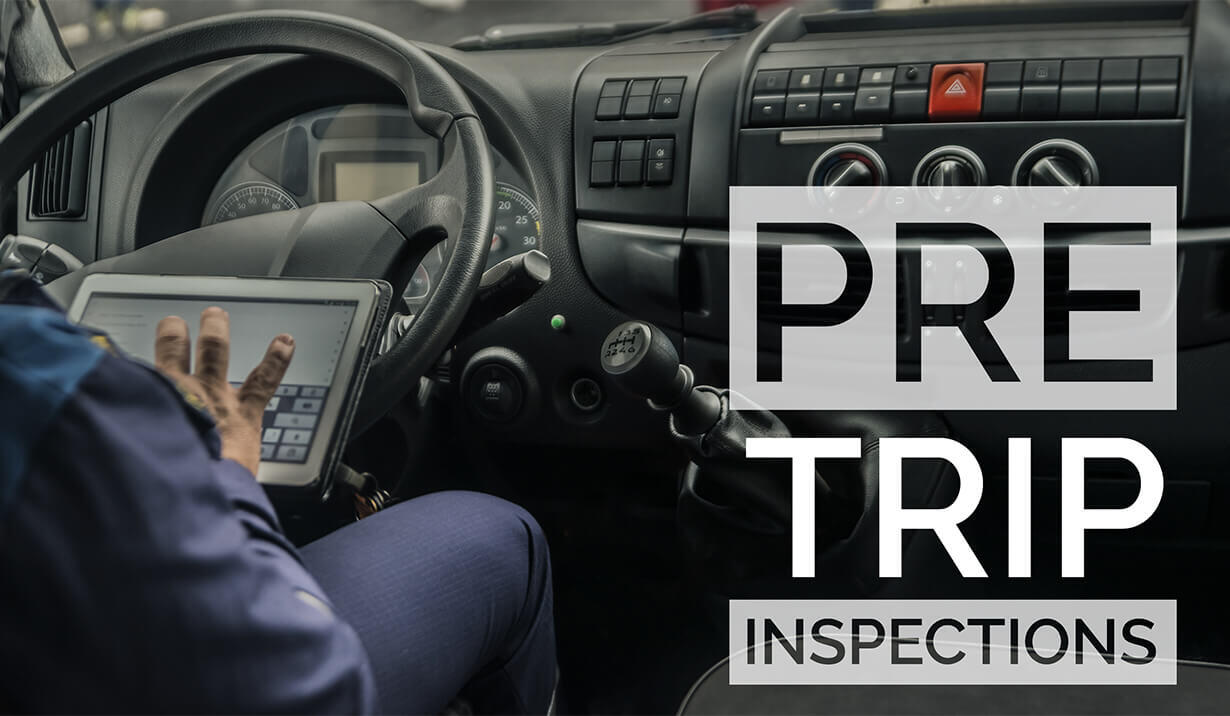
Every ValueBrands job begins before we arrive at the customer’s property. Whether operating a company truck, towing a trailer, or transporting equipment, a proper pre-trip inspection is one of the most important safety responsibilities an employee has.
A few minutes spent inspecting your vehicle, trailer, and equipment can prevent accidents, equipment failures, costly repairs, and injuries.
Safe transportation starts with responsible operators.
Why Pre-Trip Inspections Matter
Company vehicles and equipment are exposed to daily wear and changing conditions. Tires, lights, straps, hydraulic components, fuel systems, and safety devices must be inspected regularly to ensure they are operating correctly.
Common causes of transportation-related incidents include:
- Improperly secured equipment
- Tire failures
- Trailer connection issues
- Poor visibility
- Mechanical failures
- Damaged safety equipment
- Overloaded trailers
- Operator error
A pre-trip inspection allows hazards to be identified before they become emergencies.
Truck Inspection
Before operating a company truck, inspect the following:
Exterior Inspection
Check:
- Tires for proper inflation, damage, and excessive wear
- Wheels and lug nuts
- Mirrors and windows
- Windshield condition
- Wipers and washer fluid
- Vehicle body damage
- Fuel leaks or fluid leaks
- License plates and registration visibility
Lights & Signals
Confirm that:
- Headlights are working
- Brake lights function properly
- Turn signals operate correctly
- Four-way flashers work
- Trailer connection lights are operational
Under the Hood
Inspect:
- Engine oil level
- Coolant level
- Washer fluid
- Battery condition
- Visible leaks
- Belts and hoses
Never operate a vehicle with a known mechanical issue that could create a safety hazard.
Trailer Inspection
Before towing any trailer, inspect:
Hitch & Connection
Verify:
- Hitch is correctly attached
- Coupler is fully locked
- Safety pin is installed
- Safety chains are crossed and connected
- Breakaway cable is attached
- Electrical connector is secure
Trailer Condition
Check:
- Tires and tire pressure
- Wheel bearings
- Trailer frame
- Lights and reflectors
- Ramps and gates
- Doors and locks
- Flooring condition
Never tow a trailer with damaged tires, faulty connections, or unsecured components.
Equipment Inspection
All equipment must be inspected before loading and operation.
Examples include:
- Lawn mowers
- Snow blowers
- Trimmers
- Blowers
- Generators
- Other small engine equipment
Inspect for:
- Fuel leaks
- Oil leaks
- Loose bolts or fasteners
- Damaged guards
- Missing safety shields
- Sharp blades or cutting components
- Proper fluid levels
- Tire condition
- Controls functioning properly
Do not operate equipment that is damaged, unsafe, or missing required safety components.
Securing Equipment for Transport
Proper equipment loading prevents damage and protects everyone on the road.
Always:
- Position equipment evenly on the trailer.
- Keep heavier equipment properly balanced.
- Engage parking brakes where applicable.
- Lower attachments and mower decks.
- Remove loose debris and tools.
- Use rated tie-down straps or chains.
- Confirm all equipment is secure before travel.
Never assume equipment is secure because it “has always been transported that way.”
Safe Loading & Unloading Practices
When loading or unloading equipment:
- Park on stable, level ground.
- Keep bystanders away.
- Ensure ramps are properly positioned.
- Maintain control of equipment at all times.
- Never stand directly behind equipment being loaded.
- Never jump from trailers or truck beds.
Take your time—rushing creates unnecessary risk.
Driving With Equipment & Trailers
Operating with a trailer changes vehicle handling.
Drivers should:
- Increase following distance.
- Brake earlier.
- Make wider turns.
- Reduce speed in poor weather.
- Check mirrors regularly.
- Avoid sudden steering movements.
Remember: the driver is responsible for the vehicle, trailer, and load.
Reporting Issues
If you find a safety concern:
- Stop operation if there is immediate danger.
- Notify your supervisor.
- Document the issue.
- Do not operate unsafe equipment until repaired.
Examples of issues requiring reporting:
- Damaged tires
- Faulty lights
- Trailer connection problems
- Fuel leaks
- Missing safety guards
- Equipment failures
Final Thoughts
A professional operation depends on reliable vehicles, safe trailers, and properly maintained equipment. A thorough pre-trip inspection protects employees, customers, company assets, and the public.
Before every job, ask yourself:
“Is my truck, trailer, and equipment ready to operate safely?”
At ValueBrands, safety begins before the first driveway, first repair, or first cut of the day.
0 Comments